
Wild BNG Green Logo
Get a BNG quote
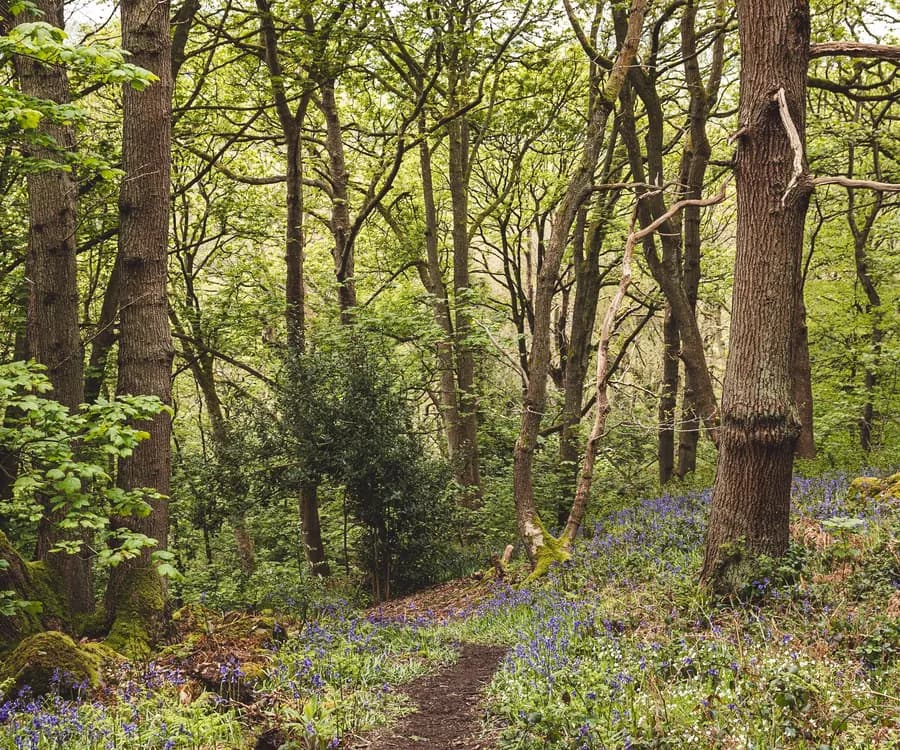
Woodland 2 - Lea Wood

How BNG pricing works

The cost of Biodiversity Net Gain (BNG) is determined by the commercial market value of biodiversity units required to offset a development's ecological footprint. Because there is no single fixed price for a generic "biodiversity unit," costs vary significantly based on habitat type, scarcity and location.

As the expert consultancy arm of the Derbyshire Wildlife Trust, Wild BNG provides a transparent look at how BNG pricing works to help developers accurately budget for their projects and secure planning permission efficiently.

The True Cost of BNG: On-Site vs. Off-Site

When factoring BNG into your project financials, costs generally fall into two categories depending on the delivery hierarchy:

1. On-Site Habitat Delivery Costs

Delivering your mandatory 10% uplift within the boundary lines of your development requires an upfront and long-term financial commitment. These costs include:

  • Ecological Fees: Initial baseline surveys using the Statutory Biodiversity Metric, along with the drafting of a mandatory 30-year Habitat Management and Monitoring Plan (HMMP).
  • Capital Works: The physical landscaping, seeding, and planting required to modify or create on-site habitats.
  • 30-Year Management: Ongoing maintenance, annual monitoring reports, and ecologist audits required by law to prove the habitat is reaching its target condition.

2. Off-Site Unit Purchase Costs

If your development cannot achieve the 10% target on-site, you must purchase off-site biodiversity units from a habitat bank. When you buy a unit from an off-site provider like Wild BNG, the price is all-inclusive. The single unit fee completely covers:

  • The legal registration of the units to your specific planning application.
  • The 30 years of legal, land management, and maintenance costs required to maintain that habitat.
  • The full financial liability for delivering those ecological outcomes, removing the long-term risk from the developer.

Get a Transparent BNG Quote

Every project footprint is unique, and budgeting for BNG requires precision. Whether you need a baseline metric assessment or a formal quote for off-site unit availability in Derbyshire, our consultancy team is here to help.

Because biodiversity units are traded on an open, private market, unit prices fluctuate based on specific ecological and geographical variables:

  • Habitat Distinctiveness (Scarcity): Common habitats like modified grassland are less expensive to create and maintain. Rare or highly valuable habitats—such as limestone grasslands or lowland fens—require specialized management and command a much higher price per unit.
  • The 30-Year Maintenance Cost: The price of a unit reflects how much money it takes to manage that specific habitat type for three decades. For instance, creating and maintaining a complex woodland over 30 years requires more labor, machinery, and monitoring than establishing a standard hedgerow.
  • The Spatial Risk Multiplier: If you purchase off-site units from a habitat bank outside of your Local Planning Authority (LPA) or National Character Area, the metric applies a penalty. This means you will need to buy more units to clear your deficit. Buying units locally through Wild BNG eliminates this penalty, keeping your total unit requirement—and your overall costs—as low as possible.
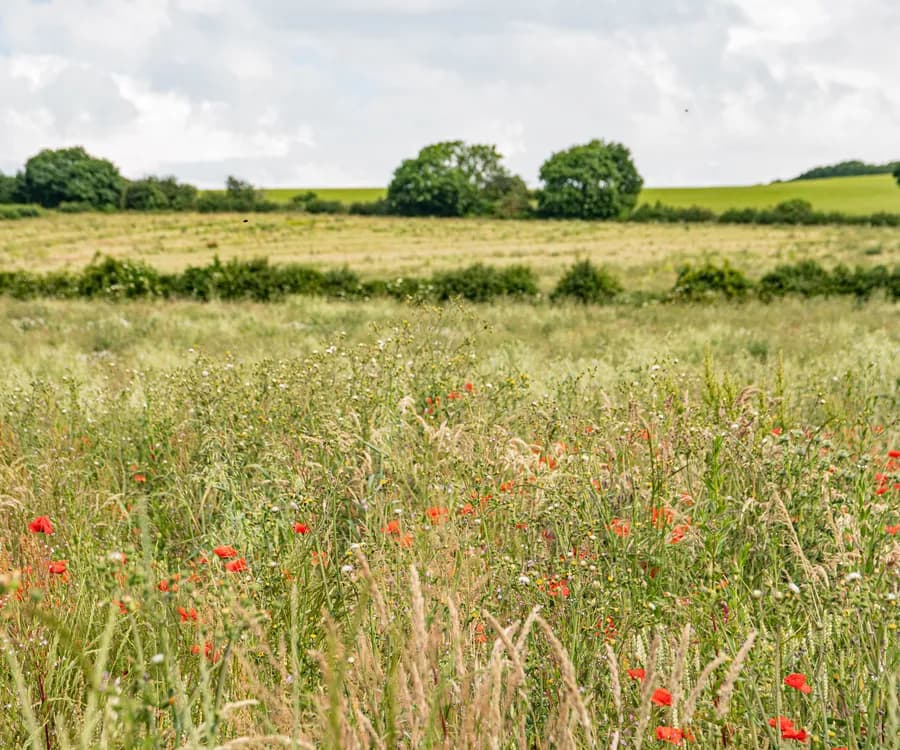
Old Whittington

Get in touch with our Wild BNG team

Contact us