Wild Solutions joins gold standard of nature recovery proposed across 75 sites in England
News
Written By DWT Marketing
One year after Biodiversity Net Gain was introduced to ensure that new developments leave the natural environment in a better state than they found it, Wild Solutions, owned by Derbyshire Wildlife Trust and the wider group of 46 Wildlife Trusts are proving that restoring nature alongside development is entirely possible.
The Wildlife Trusts are set to be one of the largest providers of Biodiversity Net Gain with five active sites now registered, one of which is based in Chesterfield, and over 70 sites proposed across 46 local planning authorities – and they aim to raise the bar by setting a gold standard approach. This means they are creating new strategic areas of wildlife habitats that are supporting large-scale nature recovery projects.
These wild places are protected for nature and communities in perpetuity – well beyond the mandatory 30 years. Additionally, wherever possible Wildlife Trusts are encouraging developers to go beyond the minimum 10% gain for wildlife and striving to deliver at least a 20% gain. It is widely acknowledged that 10% is the bare minimum needed to maintain the status quo for nature. Given the catastrophic declines in nature over recent decades, clearly, greater ambition is needed.
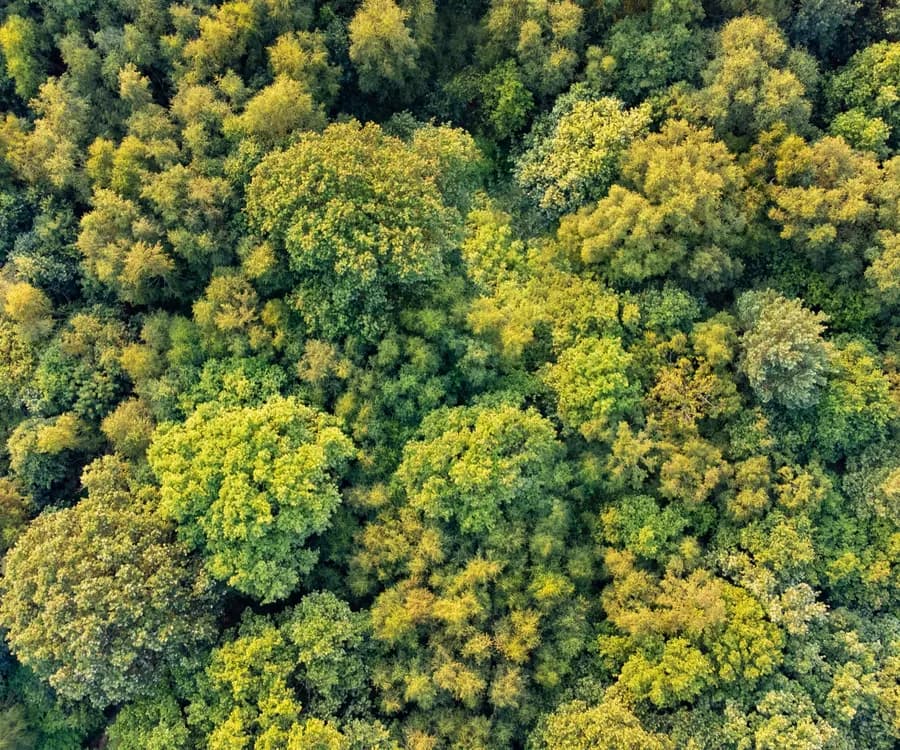
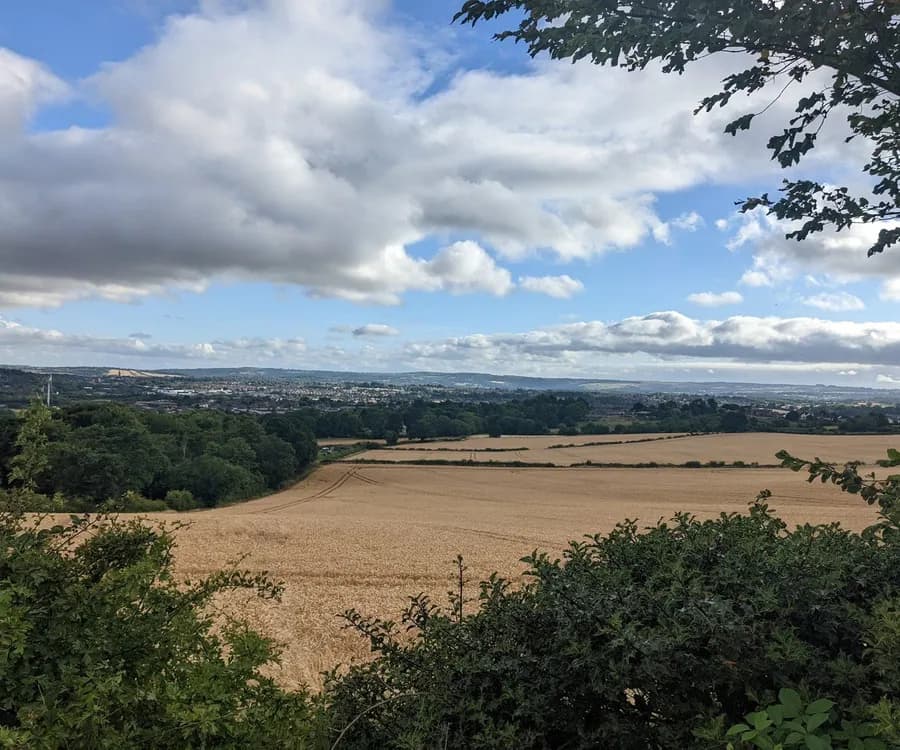
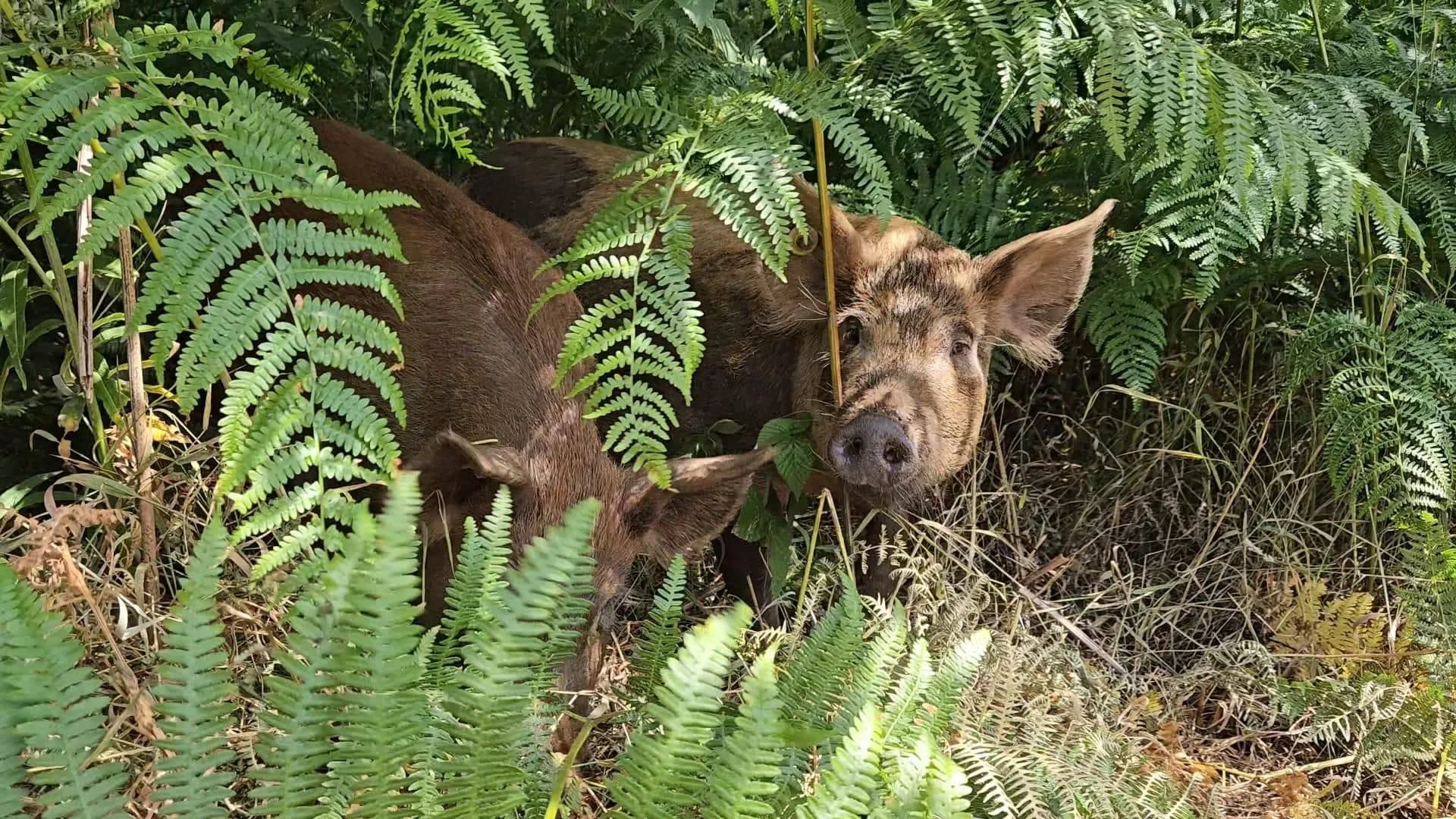
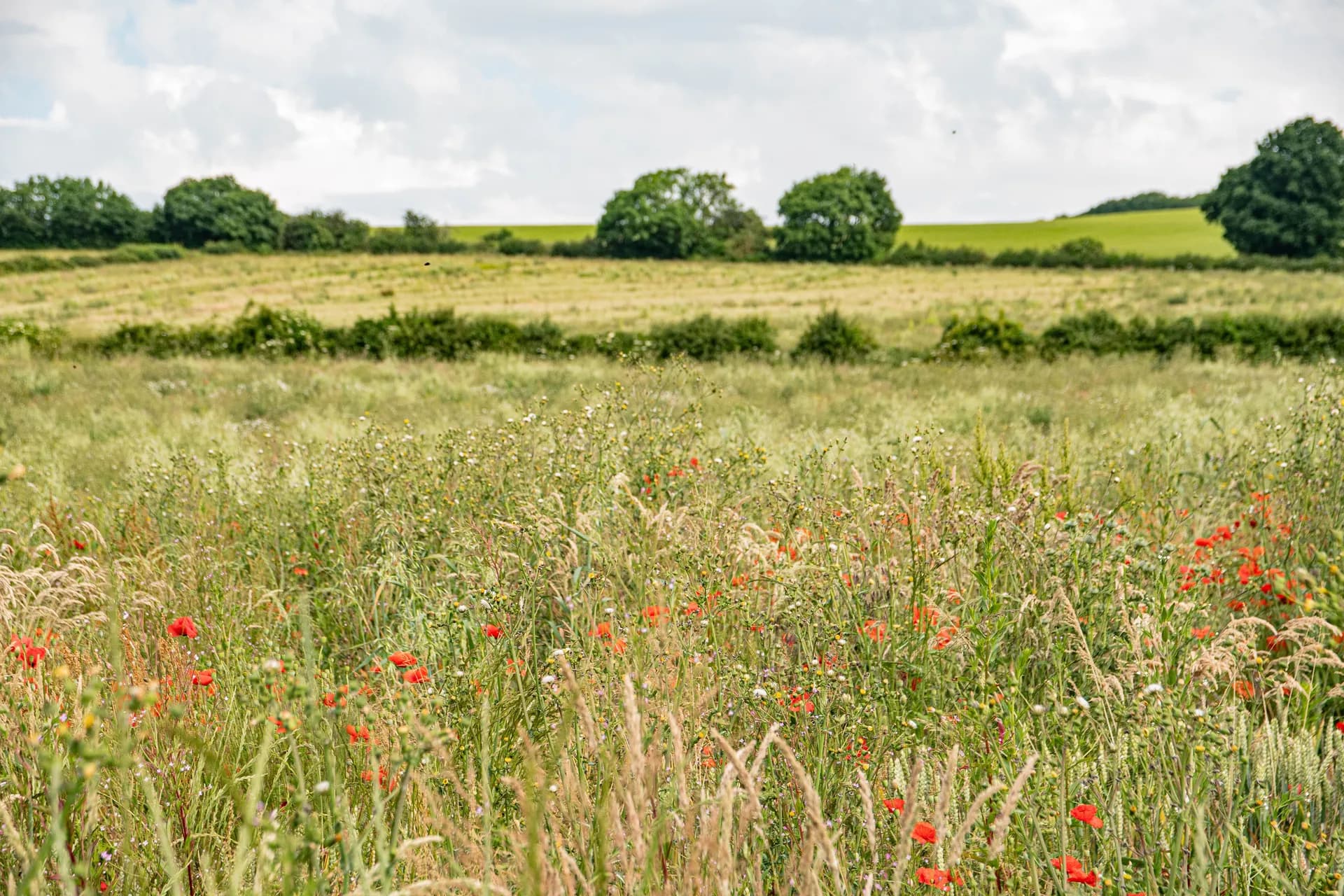
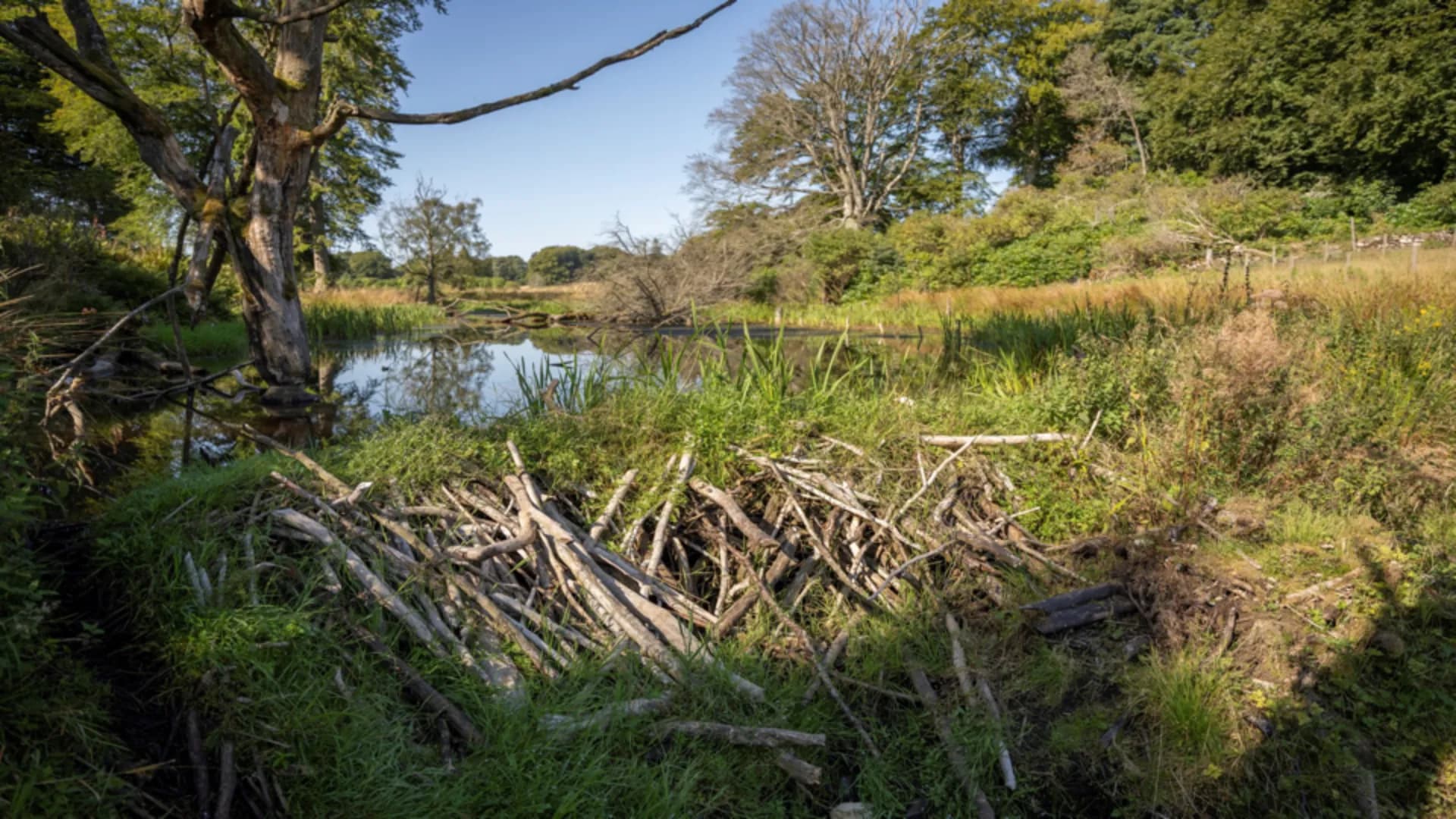
Wild Whittington, located 5km north of Chesterfield City Centre, is owned by Derbyshire Wildlife Trust and managed by Wild Solutions, the trust’s in-house ecological consultancy and ecosystem services provider. The site, which secured a Section 106 agreement with the local planning authority (LPA), Chesterfield Borough Council, is part of a rewilding project where new habitats will be created. Areas of woodland, scrub, wetland and open areas of grassland will establish a vital green corridor in the region to support nature’s recovery in Chesterfield and the surrounding areas.
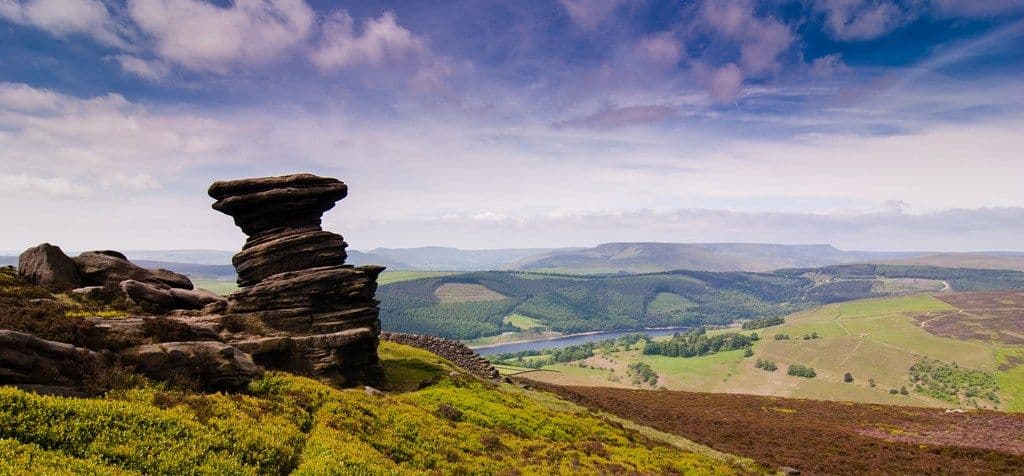
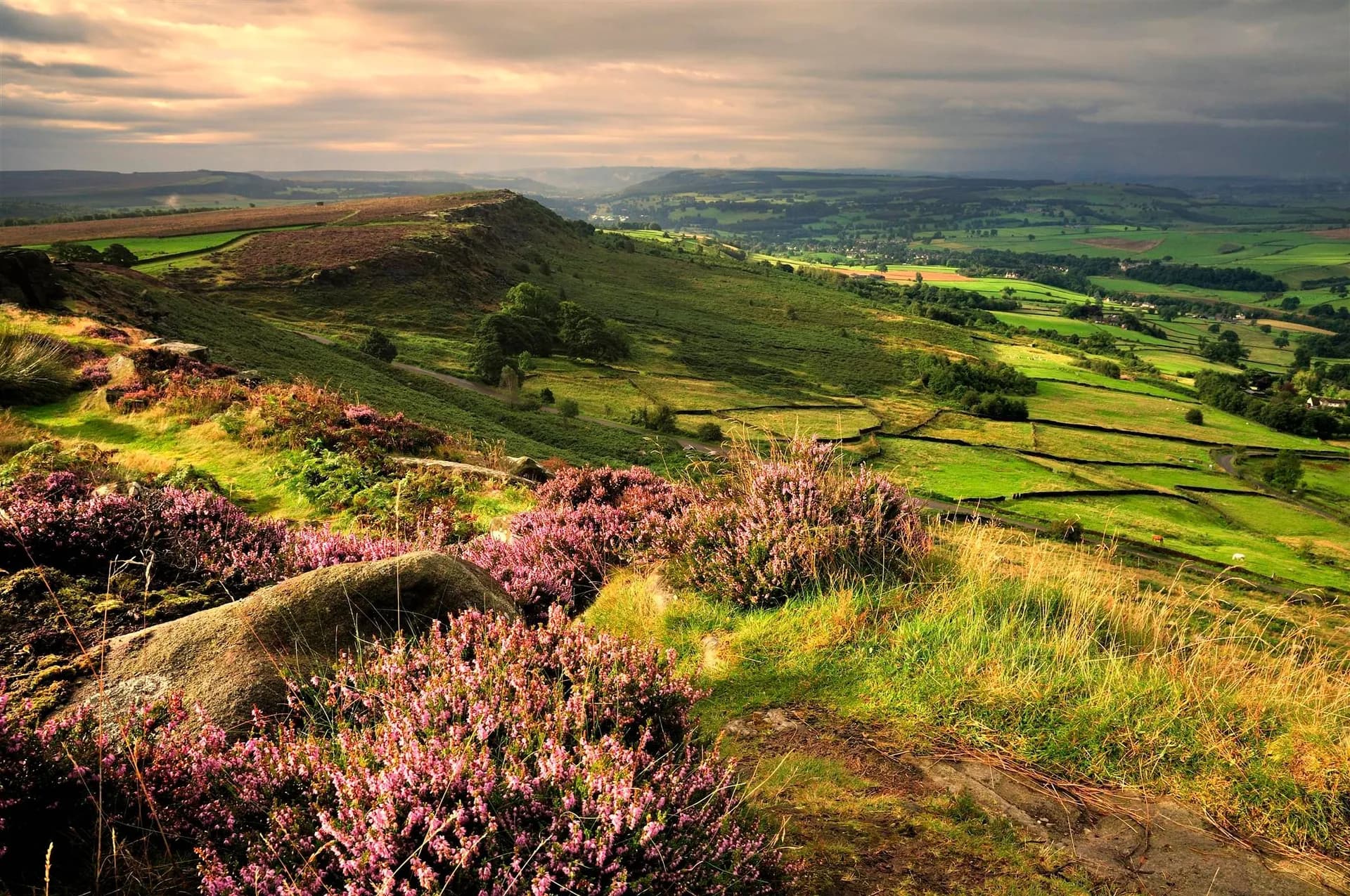
Nature-rich areas are known to be better places to live and work, improving people’s health and wellbeing. If developers are not able to enhance wildlife on-site, they can meet the requirement by purchasing biodiversity units, creating wildlife habitat, elsewhere.
The Wildlife Trusts have five active Biodiversity Net Gain sites and over 70 sites being brought forward for restoration.
The active ones are:
- Wild Whittington, Derbyshire: a new rewilding project where new habitats will be created, with areas of woodland, scrub, wetland and open areas of grassland to establish a vital green corridor in the region to support nature’s recovery in Chesterfield and the surrounding areas.
- Ludgershall Meadows, Buckinghamshire: a patchwork of meadows across the Upper River Ray floodplains which holds a small breeding population of locally scarce wading birds such as lapwing and curlew.
- Duxford Habitat Bank, Oxfordshire: at the heart of the Upper Thames conservation area. Plans to restore the river, floodplain and precious wetland habitats will make it a haven for wildlife, complementing the landscape-scale conservation work nearby.
- Flack Field, Cambridgeshire: Beside Fulbourn Fen Site of Special Scientific Interest (SSSI) and close to Fleam Dyke SSSI, this place is strategically located within the emerging Local Nature Recovery Strategy.
- Fleam Dyke, Cambridgeshire: Another site which is strategically located within the emerging Local Nature Recovery Strategy. It will create a more sustainable management unit to support the adjacent SSSI and helping to support species abundance and climate resilience.
To discuss your current or future biodiversity objectives, contact Phillipa Chappell on pchappell@derbyshirewt.co.uk 07581306876 .