Biodiversity Net Gain explained
Under UK law, nearly all new building and commercial development projects must leave the natural environment in a better state than it was before construction started. This rules-based system is called Biodiversity Net Gain (BNG).
10%
The minimum biodiversity net gain all commercial developments must deliver under the Environment Act 2021.
30 years
The minimum period all BNG habitats must be secured and protected under legislation.
60+
The experience Derbyshire Wildlife Trust brings to creating and managing spaces for nature across the county.
100,000 ha
The organisation-wide target for land managed for nature, supported by Wild BNG's strategic habitat creation.
Here's what it means for your project in simple terms:
- The 10% Rule: You must deliver at least a 10% increase in natural habitat compared to the original footprint of your site before development began.
- The 30-Year Promise: Any new or improved habitats created to meet this target must be legally protected, managed, and looked after for a minimum of 30 years.
How is nature measured?
Wildlife and nature are measured in three distinct categories of "units" based on what is already inside your project boundary:
• Habitat Units: For standard land parcels like fields, grasslands, or woodlands.
• Hedgerow Units: For linear boundary features like hedges, bushline borders, and treelines.
• River and Stream Units: For watercourses like brooks, rivers, and canals.
The golden rule:
You cannot mix and match these categories. If your project boundary contains grasslands, hedges, and a small stream, you must deliver a 10% net gain for each individual type that you impact. You cannot destroy a hedgerow and balance the books by simply planting a patch of grass somewhere else.
BNG compensation hierarchy
The statutory mitigation hierarchy requires developers to address ecological impacts systematically: avoiding damage first, minimising impact second, and compensating for residual losses last.
While the statutory metric naturally priorities on-site habitat creation, delivering the mandatory 10% uplift entirely within a development boundary is not always ecologically or structurally viable. Sourcing high-integrity off-site biodiversity units from Wild BNG provides a practical, policy-compliant solution when on-site delivery reaches its realistic limits.
About Wild BNG
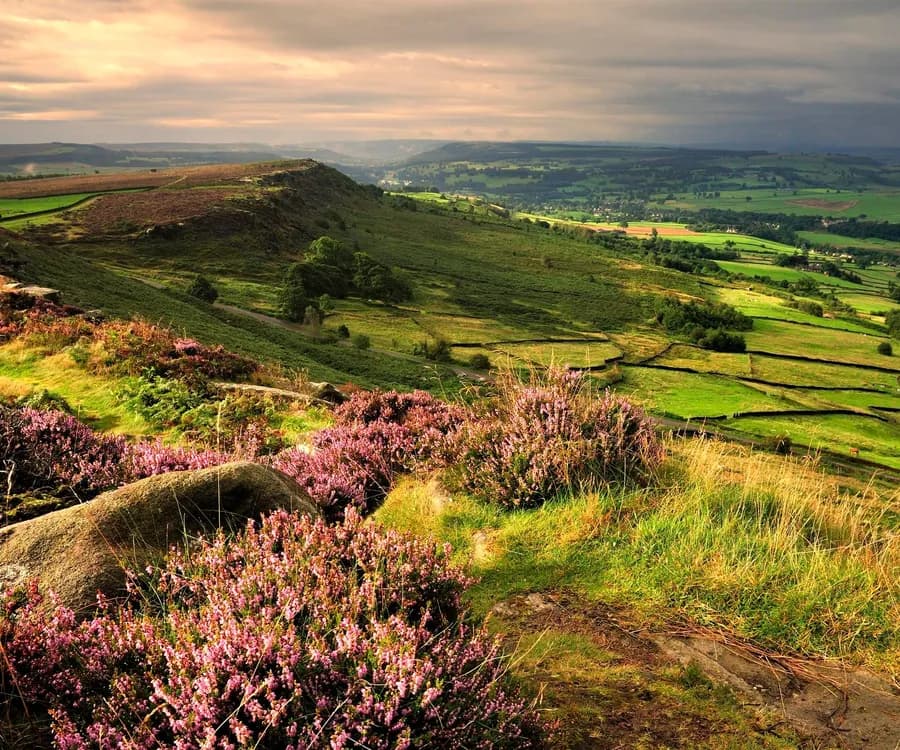
Wild BNG is creating local, nature rich habitat banks across the county to provide a solution to the demand for off-site Biodiversity Net Gain. Backed by over 60 years’ experience creating and managing spaces for nature in Derbyshire, Wild BNG is positioned to deliver high quality, strategically located natural spaces that also deliver a wide range of ecosystem services that society needs.
Net gain
Expert support from start to finish.
Lasting legacy
Competitive pricing, and no broker fees.
Proven experience
60+ years trusted conservation expertise.
Nature's recovery
Every pound reinvested in nature recovery.